
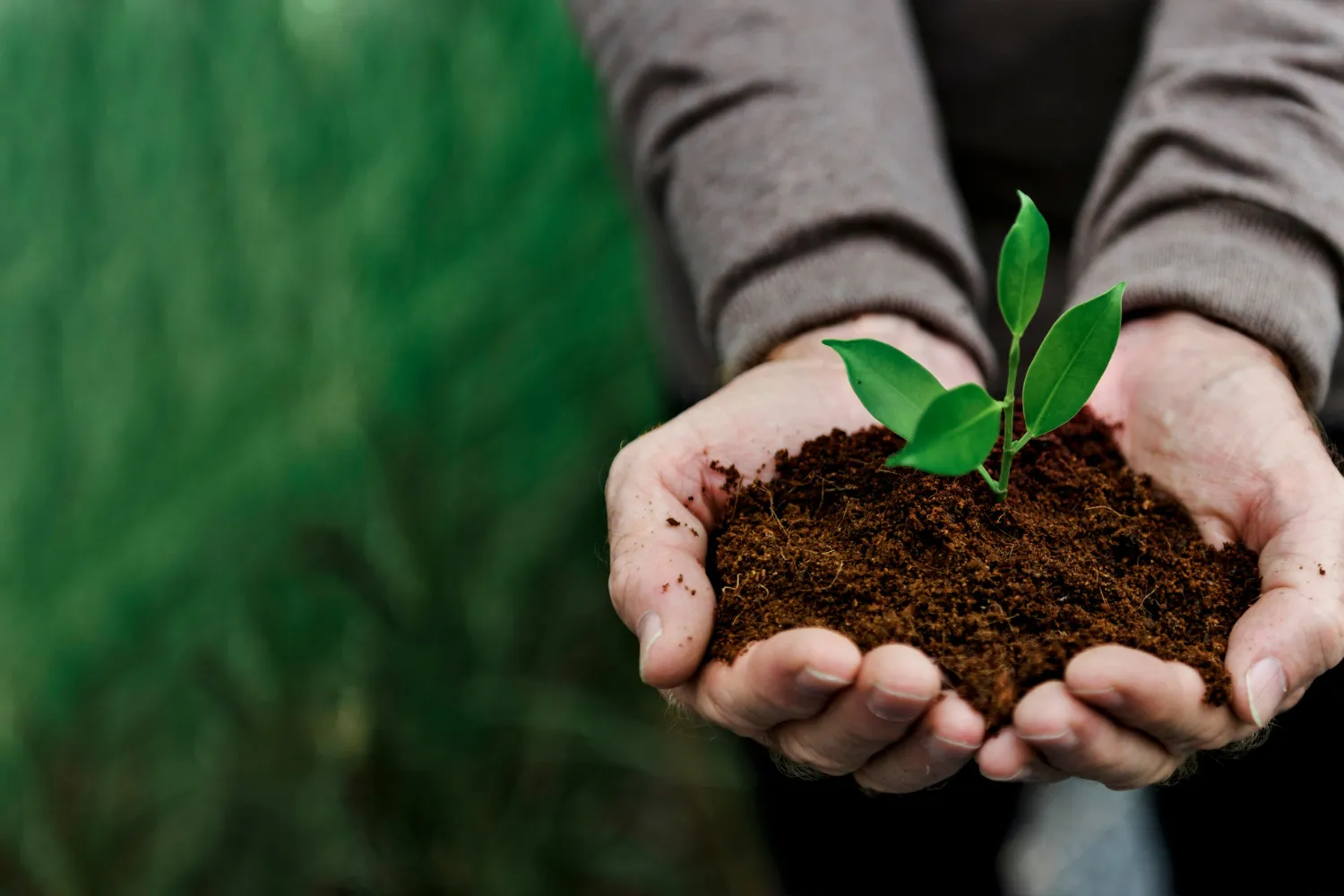
Many farmers and landowners struggle with declining profits, rising input costs, unpredictable weather, and poor soil health, making traditional farming increasingly difficult to sustain. Dependence on a single crop often leads to financial instability, limiting opportunities to build passive income from farmland, especially when market prices fluctuate or yields are affected by environmental challenges beyond control.
Agroforestry offers a powerful alternative by integrating trees, crops, and livestock into a single, efficient system that improves land productivity while generating multiple income streams. This approach not only enhances soil fertility and reduces long-term costs but also creates opportunities for short-term, recurring, and long-term earnings from the same piece of land.
By adopting agroforestry, farmers can transform underutilized or monoculture farmland into a diversified and resilient income-generating asset. In this article, you will learn how to earn from agroforestry on your managed farmland using practical strategies, proven models, and income-focused planning techniques.
What Is Agroforestry?
Agroforestry is a scientifically designed land-use system that integrates trees, crops, and sometimes livestock within the same farmland to improve productivity and sustainability. Farmers who aim to earn from agroforestry on your managed farmland use this approach to optimize natural resources, enhance biodiversity, and create multiple layers of income generation from a single piece of land efficiently.
Types of Agroforestry Systems (With Earning Potential)
Choosing the right agroforestry system is essential for maximizing income and efficiency based on land size, climate, and financial goals. Farmers who want to earn from agroforestry on your managed farmland must select models that align with their resources while providing both short-term cash flow and long-term income stability.
Let’s explore the types of Agroforestry Systems:
Agrisilviculture (Trees + Crops)
Agrisilviculture is a widely practiced agroforestry system where timber trees are grown alongside crops, allowing farmers to earn from agroforestry while maintaining regular agricultural production. This model provides immediate income from crops and long-term returns from timber, making it ideal for farmers transitioning from traditional farming.
- Ideal for beginners
- Short-term and long-term income
- Efficient land utilization
- Continuous production cycle
Agrihorticulture (Fruit Trees + Crops)
Agrihorticulture integrates fruit trees with seasonal crops, creating a balanced system for farmers aiming to earn from agroforestry on your managed farmland. Crops generate early income, while fruit trees mature over time and provide consistent annual returns, ensuring both immediate and recurring financial benefits.
- Early income from crops
- Recurring income from fruits
- Improved land efficiency
- Stable long-term returns
Silvopasture (Trees + Livestock)
Silvopasture combines trees with livestock grazing systems to create a productive and sustainable farming model. Farmers who earn from agroforestry using this approach benefit from reduced feed costs, improved animal welfare, and additional income from tree-based products, making it a highly efficient integrated farming system.
- Lower livestock feeding costs
- Improved animal health
- Income from milk and meat
- Additional timber value
Forest Farming (High-Value Crops Under Trees)
Forest farming focuses on cultivating high-value crops such as medicinal plants, spices, and herbs under tree cover. Farmers who earn from agroforestry on your managed farmland can use shaded environments efficiently, producing premium crops that offer higher market value compared to traditional agricultural products.
- High-value crop production
- Efficient use of shaded land
- Strong market demand
- Higher profit margins
Why Agroforestry Is Profitable
Agroforestry is considered one of the most profitable and sustainable farming approaches because it allows farmers to generate income from multiple sources on the same piece of land. Instead of relying on a single crop, farmers who earn from agroforestry on your managed farmland benefit from diversified income streams, reduced risks, improved soil health, and long-term asset creation, making it a stable and scalable agricultural system.
Key reasons why agroforestry is profitable:
- Multiple income streams advantage: Agroforestry allows farmers to earn from crops, fruits, timber, and livestock simultaneously, ensuring continuous cash flow and reducing dependency on a single source of income throughout the year.
- Reduced financial risk exposure: Diversification ensures that even if one component fails due to weather, pests, or market fluctuations, other income sources continue generating revenue, providing financial stability and security.
- Lower input cost over time: Improved soil fertility and natural nutrient cycling reduce dependency on chemical fertilizers and external inputs, lowering overall farming costs and increasing net profit margins.
- Long-term asset creation through trees: Trees grow in value over time and can be harvested for significant profits, acting as a long-term financial asset that strengthens overall farm income.
- Efficient land utilization benefits: Agroforestry maximizes the use of vertical and horizontal space, allowing farmers to produce more output from the same land area, increasing productivity and profitability.
- Recurring income from fruit and crops: Fruit trees and seasonal crops provide regular income, ensuring steady cash flow while long-term assets like timber continue to grow.
- Sustainability and long-term productivity: Agroforestry improves soil health, prevents erosion, and supports ecological balance, ensuring that farmland remains productive and profitable for many years.
- High market demand for diverse products: Agroforestry products such as timber, fruits, and medicinal plants have strong market demand, ensuring better pricing and consistent sales opportunities for farmers.
Who Should Start Agroforestry?
Agroforestry is suitable for a wide range of individuals who want to build sustainable income while improving land productivity and reducing farming risks. Whether you are a farmer, investor, or landowner, agroforestry provides an opportunity to earn from agroforestry on your managed farmland by creating multiple income streams. With proper planning and support, even beginners can successfully adopt this system and generate long-term financial returns.
People who should consider starting agroforestry:
- Small and medium farmers: Farmers with limited land can maximize productivity and generate multiple income streams using efficient agroforestry systems
- Large landowners: Owners of bigger land areas can develop large-scale agroforestry systems for higher income and long-term asset creation
- New investors in agriculture: Individuals looking to invest in farmland can earn from agroforestry without needing deep farming experience
- Urban professionals and NRIs: People who want passive income from farmland can benefit from managed agroforestry solutions
- Organic and sustainable farming enthusiasts: Those interested in eco-friendly farming can adopt agroforestry for both environmental and financial benefits
How to Earn from Agroforestry on Your Managed Farmland (Complete Step-by-Step System)
To successfully earn from agroforestry on your managed farmland, farmers must begin with proper planning and a clear understanding of their land resources. Soil quality, climate conditions, water availability, and market demand play a critical role in determining the success of an agroforestry system and its long-term profitability potential.
Land Assessment and Resource Evaluation
The first step to earn from agroforestry on your managed farmland is to clearly understand your land’s true potential before making any investment or planting decisions. By carefully assessing soil quality, water availability, climate conditions, and available space, you can plan more effectively, avoid costly mistakes, and choose the right combination of trees and crops that will deliver consistent productivity and long-term income.
Key actions for land assessment:
- Soil testing and analysis: Conduct proper soil testing to identify nutrient levels, pH balance, and organic matter content, helping you select suitable crops and trees that improve productivity and ensure long-term sustainable income generation.
- Water availability evaluation: Assess water sources such as rainfall, borewells, or irrigation systems to ensure a consistent supply, which is essential for maintaining crop health and supporting continuous agroforestry income generation.
- Climate condition assessment: Study local weather patterns including temperature, rainfall, and seasonal changes to choose crops and trees that grow well, ensuring higher survival rates and stable income from your agroforestry system.
- Land mapping and zoning: Divide your farmland into specific zones for trees, crops, and other activities, improving management efficiency, optimizing resource use, and ensuring better productivity and income generation over time.
Selection of Profitable Agroforestry Model
Choosing the right model is one of the most important decisions when you want to earn from agroforestry on your managed farmland. A well-selected model ensures that your land, resources, and financial goals are aligned, helping you generate income at different stages while reducing risks and improving long-term sustainability.
Important factors for model selection:
- Income timeline planning: Decide whether you need short-term, mid-term, or long-term income, helping you select an agroforestry model that matches your financial goals and ensures consistent cash flow.
- Market demand analysis: Choose crops and tree species that have strong demand in your local or regional market, ensuring better pricing and easier sales for your agroforestry products.
- Land suitability matching: Select a model that fits your land size, soil type, and water availability, ensuring better growth conditions and higher productivity from your agroforestry system.
- Risk diversification strategy: Choose mixed systems combining trees, crops, and livestock to reduce dependency on a single income source and improve financial stability over time.
Tree Species Selection for Long-Term Income
Selecting the right tree species is one of the most critical decisions when planning to earn from agroforestry on your managed farmland. Trees act as long-term assets, and the wrong choice can delay returns or reduce overall productivity. By choosing high-value, fast-growing, and climate-suitable species, you ensure better survival rates, stable growth, and strong future income. Proper selection also helps maintain balance with crops, preventing competition for nutrients, water, and sunlight while supporting a sustainable and profitable agroforestry system.
Key considerations for tree selection:
- High-value tree selection: Choose tree species like teak, bamboo, or fruit trees that have strong market demand and provide high returns when harvested, ensuring long-term profitability and stable income generation.
- Growth rate evaluation: Select tree species with faster growth cycles so you can start generating returns earlier while still maintaining long-term benefits from timber, fruits, or other outputs.
- Climate adaptability check: Ensure that the selected tree species are well-suited to your local climate conditions to improve survival rates, reduce risks, and maintain consistent productivity over time.
- Crop compatibility planning: Avoid tree species that compete excessively with crops for sunlight, water, and nutrients, ensuring balanced growth and stable income from both trees and crops.
Crop Selection for Short-Term Income
Crop selection is essential for generating early income while trees are still in their growth phase. Farmers who want to earn from agroforestry on your managed farmland must carefully choose crops that are compatible with tree systems, require manageable inputs, and provide consistent market returns. The right crops not only ensure steady cash flow but also improve soil health and overall system productivity when integrated properly with trees and other components.
Best practices for crop selection:
- Shade-tolerant crop choice: Select crops that can grow effectively under partial shade created by trees, ensuring consistent productivity without negatively impacting the overall agroforestry system.
- High-demand crop selection: Focus on crops that have reliable demand in local or regional markets, helping ensure consistent sales, stable pricing, and reduced risk of unsold produce.
- Seasonal crop planning: Choose crops based on local seasons and growing conditions to maximize yield, improve efficiency, and maintain continuous income throughout different periods of the year.
- Low-input crop preference: Prefer crops that require less water, fertilizers, and labor, helping reduce production costs and increase overall profitability from your agroforestry system.
Farm Layout Design and Spacing Planning
A well-designed farm layout plays a crucial role in helping you earn from agroforestry on your managed farmland efficiently and sustainably. Proper spacing and alignment ensure that trees and crops grow without excessive competition, allowing each component to access sufficient sunlight, water, and nutrients. A thoughtful layout also improves farm management, making irrigation, maintenance, and harvesting operations easier while maximizing productivity and long-term income potential from the same piece of land.
Key layout planning elements:
- Proper tree spacing: Maintain sufficient distance between trees to prevent overcrowding, allowing both trees and crops to grow efficiently without competing for essential resources like sunlight, nutrients, and water.
- Row alignment strategy: Align rows based on sunlight direction to ensure all plants receive adequate exposure, improving growth conditions and overall productivity of the agroforestry system.
- Irrigation system planning: Design efficient irrigation systems such as drip or channel methods to ensure proper water distribution across the farm while minimizing wastage and improving resource efficiency.
- Access path creation: Develop clear pathways within the farm to allow easy movement of workers and equipment, improving efficiency in maintenance, monitoring, and harvesting operations.
Soil Preparation and Plantation Setup
Proper soil preparation and plantation setup are essential for ensuring strong plant growth and long-term productivity. Farmers who want to earn from agroforestry on your managed farmland must focus on preparing the land carefully before planting trees and crops. This stage determines survival rates, growth speed, and overall system efficiency. By improving soil structure, adding nutrients, and following a phased planting approach, farmers can create a strong foundation for sustainable income generation.
Important setup steps:
- Land preparation process: Prepare the land by ploughing, leveling, and removing weeds to create suitable conditions for planting trees and crops efficiently.
- Soil nutrient enrichment: Add organic manure or compost to improve soil fertility, supporting better plant growth and long-term productivity within the agroforestry system.
- Phased plantation approach: Plant trees and crops in stages to manage resources effectively, reduce risk, and ensure better survival and growth rates.
- Initial irrigation setup: Provide proper watering immediately after planting to support early growth and ensure strong establishment of plants within the system.
Irrigation and Nutrient Management
Efficient irrigation and nutrient management are critical for maintaining productivity and ensuring consistent income from agroforestry systems. Farmers who aim to earn from agroforestry on your managed farmland must adopt sustainable practices that improve soil health while reducing long-term costs. Proper water management and balanced nutrient supply help maintain plant growth, increase yields, and support the overall success of the agroforestry system.
Core management practices:
- Drip irrigation systems: Use drip irrigation to deliver water directly to plant roots, improving efficiency and reducing water wastage across the farm.
- Organic fertilizer use: Apply natural fertilizers such as compost or manure to improve soil health and reduce dependency on chemical inputs.
- Mulching techniques: Use organic mulch to retain soil moisture, control weeds, and improve soil structure over time.
- Regular monitoring practices: Continuously monitor plant health and soil conditions to adjust irrigation and nutrient inputs as needed.
Maintenance and System Management
Proper maintenance is essential to ensure long-term success when you earn from agroforestry on your managed farmland. Without regular monitoring and care, productivity can decline and income potential may reduce significantly. By managing plant health, controlling pests, and maintaining system balance, farmers can ensure consistent growth, higher yields, and stable income generation across all components of the agroforestry system.
Essential maintenance activities:
- Pest and disease control: Regularly monitor crops and trees for pests and diseases, using organic or chemical treatments when necessary to prevent damage, maintain plant health, and ensure consistent productivity and income generation.
- Pruning and trimming practices: Trim and prune trees regularly to control growth, improve sunlight penetration, and support better crop performance, ensuring balanced development and higher productivity across the agroforestry system.
- Weed management strategies: Remove weeds frequently to reduce competition for nutrients, water, and sunlight, allowing crops and trees to grow efficiently and maintain consistent income generation from your farmland.
- System performance monitoring: Track growth, yield, and overall system performance regularly to identify issues early, make necessary adjustments, and maintain long-term productivity and profitability.
Early Income Generation Strategies
Generating early income is crucial for farmers who want to earn from agroforestry on your managed farmland without waiting several years for returns. By utilizing crops and small-scale livestock integration, farmers can create immediate cash flow that supports ongoing farm expenses while trees continue growing and developing into long-term income sources.
Ways to generate early income:
- Seasonal crop cultivation: Grow fast-growing seasonal crops such as vegetables or pulses that can be harvested quickly, providing immediate income and helping maintain financial stability during the early stages.
- Vegetable farming integration: Cultivate high-demand vegetables between tree rows to generate consistent short-term income while utilizing available land space efficiently within the agroforestry system.
- Poultry or goat farming: Integrate small livestock such as poultry or goats to create additional income streams, utilizing farm resources effectively while improving overall system profitability.
- Direct local market selling: Sell produce directly in local markets to increase profit margins, reduce dependency on intermediaries, and ensure faster income generation.
Top Shrub Plants for Quick Income in Agroforestry
Shrub plants are an effective solution for generating early income when you want to earn from agroforestry on your managed farmland. These plants grow quickly, require low investment, and have strong market or ornamental demand, making them ideal for supporting cash flow during the initial years of agroforestry development.
- Hibiscus: Used in herbal products and decoration, offering regular flower-based income opportunities
- Ixora: Popular ornamental plant with demand in landscaping and nursery markets
- Bougainvillea: Low-maintenance shrub ideal for fencing and decorative commercial use
- Karonda: Fruit-bearing shrub used in pickles and processing, generating seasonal income
- Jasmine: High-demand flower crop used in perfumes, garlands, and religious purposes
- Duranta: Fast-growing shrub used for hedges and landscaping, suitable for nursery sales
- Oleander (Kaner): Ornamental flowering shrub with demand in landscaping and roadside plantations
- Croton: Decorative foliage plant widely used in home gardens and landscaping projects
- Lantana: Hardy shrub useful for hedging and low-maintenance landscaping purposes
- Henna (Mehendi): Traditional plant used in cosmetics, offering consistent demand and income
- Kanakambaram: Flowering plant with strong demand in local flower markets
- Night Jasmine: Fragrant flowering shrub used in religious and decorative applications
- Ruellia Brittoniana: Attractive flowering plant suitable for ornamental landscaping and garden markets
- Cestrum Nocturnum (Raat ki Rani): Highly fragrant night-blooming plant with strong ornamental value
Mid-Term Income from Fruits and Fast-Growing Species
Mid-term income plays an important role in sustaining agroforestry systems before long-term returns begin. Farmers who earn from agroforestry on your managed farmland can generate steady income from fruit trees and fast-growing species within a few years, helping bridge the gap between initial investment and major long-term profits.
Mid-term income opportunities:
- Fruit harvesting income: Start earning from fruit trees such as mango or guava within a few years, generating consistent annual income and improving overall profitability of the agroforestry system.
- Bamboo production cycles: Harvest bamboo regularly after initial growth, providing continuous income due to its fast regeneration and high market demand across multiple industries.
- Medicinal crop cultivation: Grow medicinal plants like ashwagandha or aloe vera under tree cover, offering high-value returns and strong demand in pharmaceutical and wellness markets.
- Small-scale processing activities: Process fruits or herbs into value-added products such as juice or powder, increasing profit margins and market opportunities.
Top Fruits and Fast-Growing Species for Income in Agroforestry
Fruits and fast-growing species are essential for generating steady mid-term income when you want to earn from agroforestry on your managed farmland. These plants begin producing within a few years and offer regular harvests with strong market demand. By integrating them into your agroforestry system, you can ensure consistent cash flow while your long-term timber investments continue growing, creating a balanced and sustainable income model.
- Mango: High-demand fruit crop providing consistent annual income with strong domestic and export market opportunities
- Guava: Fast-growing fruit tree offering early yields and regular income through multiple harvesting cycles
- Papaya: Quick-yielding plant generating income within one to two years, ideal for mid-term returns
- Banana: High-yield crop with continuous demand, ensuring stable and recurring income throughout the year
- Lemon (Citrus): Regular fruit production with strong demand in household and commercial markets
- Amla (Indian Gooseberry): Medicinal fruit with growing demand in health and processing industries
- Pomegranate: High-value fruit crop with strong export demand and attractive profit margins
- Drumstick (Moringa): Fast-growing tree with high demand for pods and leaves in local markets
- Bamboo: Rapid-growing species offering frequent harvest cycles and strong industrial demand
- Jackfruit: Large fruit crop with increasing demand in fresh and processed markets
- Custard Apple (Sitaphal): Low-maintenance fruit plant with good returns in regional markets
- Sapota (Chikoo): Consistent fruit-bearing tree providing steady and reliable income over time
- Mulberry: Fast-growing plant supporting sericulture and fruit markets, offering multiple income streams
- Coconut: Long-term fruit crop providing continuous income from nuts and value-added products
Long-Term Income from Timber and Mature Systems
Long-term income is the most significant financial benefit for farmers who earn from agroforestry on your managed farmland. Mature trees become valuable assets that generate substantial profits when harvested, while established systems continue producing fruits and other outputs, ensuring sustained income and increased land value over time.
Long-term earning sources:
- Timber harvesting income: Harvest high-value trees such as teak or hardwood species after maturity, generating significant profits and serving as a major long-term income source.
- Mature fruit production: Benefit from fully grown fruit trees that produce higher yields annually, ensuring consistent and increasing income over time.
- Land value appreciation: Increase the overall value of farmland due to improved productivity, tree assets, and sustainable land management practices.
- Sustainable income cycle: Maintain continuous income through a balanced system of trees, crops, and other components working together efficiently over long periods.
Top Timber Plantation Trees for Long-Term Income in Agroforestry
Timber trees are one of the most powerful components for building long-term wealth when you earn from agroforestry on your managed farmland. These trees grow steadily over time and generate high-value returns when harvested. By selecting the right timber species, farmers can create a strong financial asset while continuing to earn from crops and other components in the system.
- Teak (Sagwan): Premium timber with high market value, offering significant long-term returns after maturity
- Sandalwood (Chandan): High-value aromatic wood with premium pricing, offering exceptional long-term profits under regulated cultivation conditions
- Mahogany: High-quality hardwood used in furniture, providing strong export demand and profitability
- Eucalyptus: Fast-growing timber tree with demand in paper and construction industries
- Poplar: Short rotation tree widely used in plywood and packaging industries
- Melia Dubia (Malabar Neem): Fast-growing tree with high demand in plywood and timber markets
- Silver Oak: Used in furniture and as a support tree, offering dual benefits in agroforestry systems
- Bamboo: Fast-growing timber alternative with multiple industrial uses and regular income cycles
- Subabul (Leucaena leucocephala): Fast-growing tree used for timber, fodder, and fuelwood
- Neem: Multi-purpose tree with medicinal and timber value, offering diverse income opportunities
- Acacia (Babul): Strong wood used for construction and fuel, suitable for dry regions
- Rosewood (Sheesham): High-value hardwood used in premium furniture, offering excellent long-term returns
- Casuarina: Fast-growing tree used in poles, paper, and construction industries
- Gmelina (Gamhar): Popular timber species used in furniture and plywood industries
Value Addition and Market Strategies
To maximize profits, farmers must focus on value addition and effective marketing strategies when they earn from agroforestry on your managed farmland. Selling raw products often limits income potential, while processing and direct marketing can significantly increase returns and improve long-term profitability.
Key value addition strategies:
- Product processing methods: Convert raw produce into processed goods such as juices, dried products, or herbal powders to increase value and improve profit margins.
- Branding and packaging techniques: Use attractive packaging and branding to enhance product appeal and achieve better pricing in competitive markets.
- Direct selling strategies: Sell products directly to consumers or local markets to eliminate intermediaries and increase overall earnings.
- Market linkage development: Build connections with wholesalers, retailers, and exporters to expand sales opportunities and ensure consistent demand.
Scaling Your Agroforestry Business
Scaling is essential for farmers who want to increase income and expand their agroforestry operations. By gradually increasing production, diversifying crops, and improving efficiency, farmers can earn from agroforestry on your managed farmland at a larger scale and achieve higher profitability.
Scaling strategies include:
- Expanding plantation area: Increase the area under agroforestry to produce more output and generate higher income from larger-scale operations.
- Diversifying income sources: Add new crops, livestock, or value-added products to increase revenue streams and reduce risk.
- Improving operational efficiency: Use better tools, techniques, and management practices to reduce costs and increase productivity.
- Building market networks: Establish strong relationships with buyers, wholesalers, and exporters to support business growth and consistent sales.
Common Mistakes to Avoid in Agroforestry Setup
While agroforestry offers significant benefits, improper planning and execution can reduce its effectiveness and profitability. Farmers who want to earn from agroforestry on your managed farmland must avoid common mistakes that lead to poor productivity, higher costs, and delayed returns. By understanding these challenges early, you can build a more efficient, profitable, and sustainable agroforestry system.
Common mistakes to avoid:
- Poor land and soil assessment: Ignoring soil testing and land evaluation can lead to unsuitable crop and tree selection, reducing productivity and income potential
- Wrong species selection: Choosing incompatible trees and crops can create competition for resources, affecting growth and reducing overall system efficiency
- Overcrowding and improper spacing: Planting too many trees or crops without proper spacing leads to poor growth, lower yields, and resource competition
- Lack of market research: Growing crops without understanding market demand can result in unsold produce and reduced profitability
- Inadequate irrigation planning: Poor water management can affect plant health and reduce productivity, especially during dry seasons
- Ignoring maintenance and monitoring: Lack of regular care such as pruning, pest control, and monitoring can reduce system performance over time
- No income planning strategy: Failing to plan short-term and long-term income sources can lead to financial gaps and delayed returns
Conclusion
Earning from agroforestry on your managed farmland requires a combination of proper planning, smart execution, and continuous management. By integrating trees, crops, and livestock effectively, farmers can create a diversified and sustainable income system that reduces risks and improves long-term profitability. With the right approach, agroforestry can transform farmland into a powerful income-generating asset that supports both financial growth and environmental sustainability.
Start Agroforestry on Your Managed Farmland with Sanjeevani Farms
If you want to earn from agroforestry on your managed farmland but don’t already own suitable land, Sanjeevani Farms offers a complete solution by providing managed farmland near Bangalore ready for agroforestry development. This allows you to invest in farmland, start agroforestry with expert support, and build long-term income without the challenges of setting up everything on your own.
Key benefits of choosing Sanjeevani Farms managed farmland:
- Ready-to-use managed farmland: Purchase farmland that is planned and prepared for agroforestry development
- Hassle-free agroforestry setup: Start agroforestry without dealing with complex planning, setup, or execution challenges
- Expert-designed farm systems: Professionally structured agroforestry models for maximum productivity and long-term income
- End-to-end management support: Complete assistance from land purchase to plantation and income generation
- Income-focused farming approach: Designed to generate short-term, mid-term, and long-term returns consistently
- Secure land investment opportunity: Own farmland while building a sustainable and appreciating agricultural asset
- Market and selling support: Assistance in selling produce for better pricing and consistent revenue
- Scalable investment model: Opportunity to expand your agroforestry investment over time
Own your managed farmland with Sanjeevani Farms and start agroforestry today. Contact us now to build a sustainable income and long-term wealth through smart land investment.
FAQs About How to Earn from Agroforestry on Your Managed Farmland
If you are planning to earn from agroforestry on your managed farmland, these frequently asked questions will help you understand key concepts, income potential, setup process, and long-term benefits, making it easier to start and succeed in agroforestry with confidence.
Can beginners earn from agroforestry on your managed farmland?
Yes, beginners can easily earn from agroforestry on your managed farmland, especially when using managed farmland solutions like Sanjeevani Farms. These services provide ready-to-use land, expert planning, and ongoing support, reducing the complexity of starting from scratch. Even without prior farming experience, you can follow structured systems, generate early income from crops, and gradually build long-term income from trees, making agroforestry accessible and beginner-friendly for new investors and landowners.
How much can you earn from agroforestry on your managed farmland?
The income you can earn from agroforestry on your managed farmland depends on factors such as land size, crop selection, tree species, and management practices. Typically, farmers earn short-term income from crops, mid-term income from fruits or bamboo, and long-term income from timber. With proper planning and market access, agroforestry can generate higher returns than traditional farming, often creating multiple income streams that grow steadily over time.
How long does it take to earn from agroforestry on your managed farmland?
You can start earning from agroforestry on your managed farmland within the first year through crops and vegetables. Mid-term income usually begins within two to four years from fruit trees or fast-growing plants like bamboo. Long-term income from timber may take several years depending on species. Managed farmland helps accelerate this process by providing proper planning and setup, ensuring faster and more reliable income generation compared to unstructured farming approaches.
Why is managed farmland better for agroforestry beginners?
Managed farmland is ideal for beginners who want to earn from agroforestry on your managed farmland without facing setup challenges. It provides pre-planned land, expert-designed agroforestry models, and ongoing management support. This reduces risks, improves productivity, and ensures proper implementation from the start. Beginners benefit from professional guidance, which helps avoid common mistakes and ensures that the agroforestry system generates income efficiently and sustainably over the long term.
What are the best crops and trees to earn from agroforestry?
To earn from agroforestry on your managed farmland, farmers commonly choose high-value trees like teak, bamboo, mango, and guava, along with seasonal crops such as vegetables, pulses, or medicinal plants. The best combination depends on soil, climate, and market demand. Managed farmland providers often recommend optimized crop-tree combinations that maximize productivity, ensure compatibility, and generate income across different timelines, helping farmers achieve better returns from their agroforestry systems.
Is agroforestry a good long-term investment?
Yes, agroforestry is considered a strong long-term investment because it combines regular income with asset creation. When you earn from agroforestry on your managed farmland, trees grow in value over time while crops provide immediate and recurring income. This creates financial stability and long-term wealth. Additionally, agroforestry improves soil health and land value, making it a sustainable investment option for individuals looking to build income and assets simultaneously.
How can Sanjeevani Farms help you earn from agroforestry?
Sanjeevani Farms helps you earn from agroforestry on your managed farmland by offering ready-to-use farmland, expert planning, and end-to-end support. From land purchase to plantation and income generation, they provide a structured system that simplifies agroforestry. Their approach ensures proper crop and tree selection, efficient farm management, and market linkage support, allowing you to generate income without dealing with the complexities of traditional farming setup and operations.