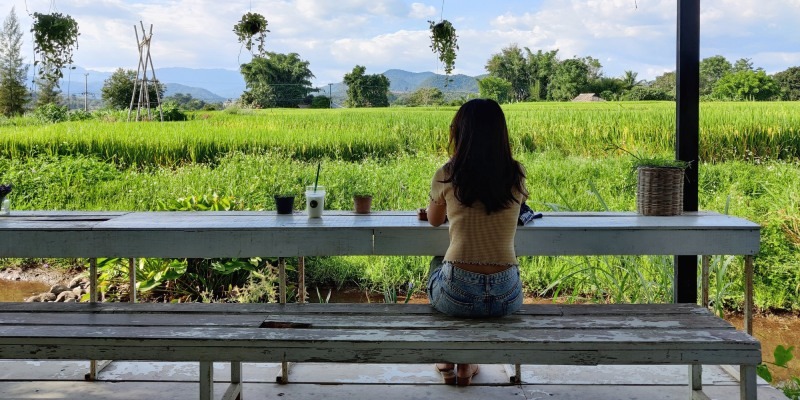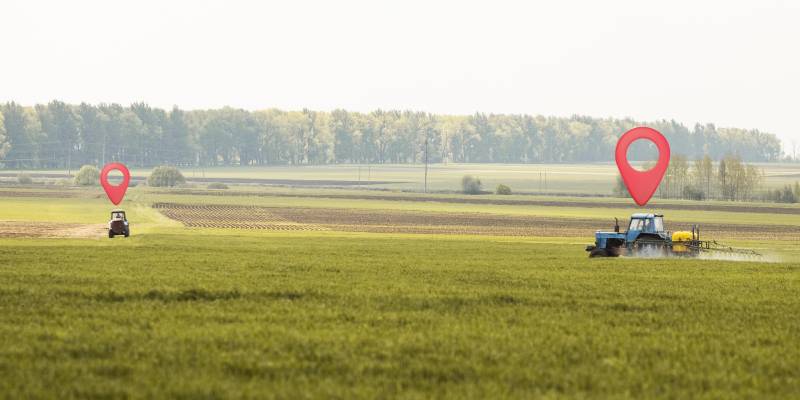
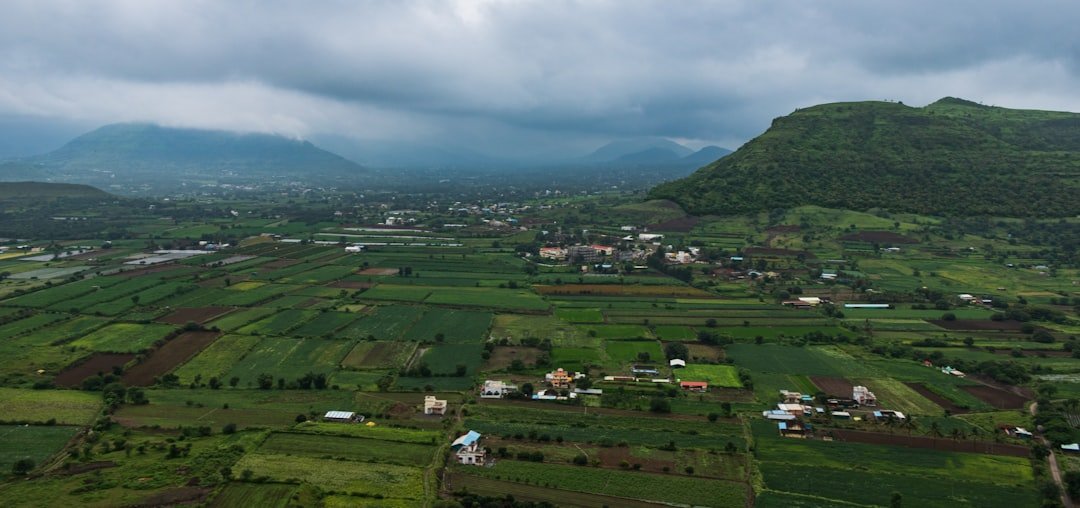
A managed farm is a simple idea with a powerful promise: you own real agricultural land, and a professional on-ground team runs the farm operations for you. At SanjeevaniFarms, we built this model for urban professionals who want a nature-first weekend retreat and long-term land ownership without the daily stress of hiring labor, supervising irrigation, or planning crops.
What Is a Managed Farm? Understanding the Urban Landowner Revolution
Managed farms are changing who gets to be a landowner. Instead of “either you’re a farmer or you’re not,” the managed model lets you participate in farmland ownership with clear boundaries: you own the plot, while a dedicated operations team manages the farming, maintenance, and reporting so your land stays active, cared for, and productive.
This is why the concept resonates in Bangalore: city life has become genuinely exhausting, and many professionals want birdsong, open skies, and a place their family can return to every weekend. A managed farm makes that lifestyle practical by converting day-to-day farm work into a service layer that runs in the background.
At SanjeevaniFarms, we also treat managed farmland as a community experience, not just a land transaction. That means planned layouts, long-term upkeep, and systems that help you stay informed even when work and travel keep you away.
How Managed Farms Work: The Complete Operational Model Explained
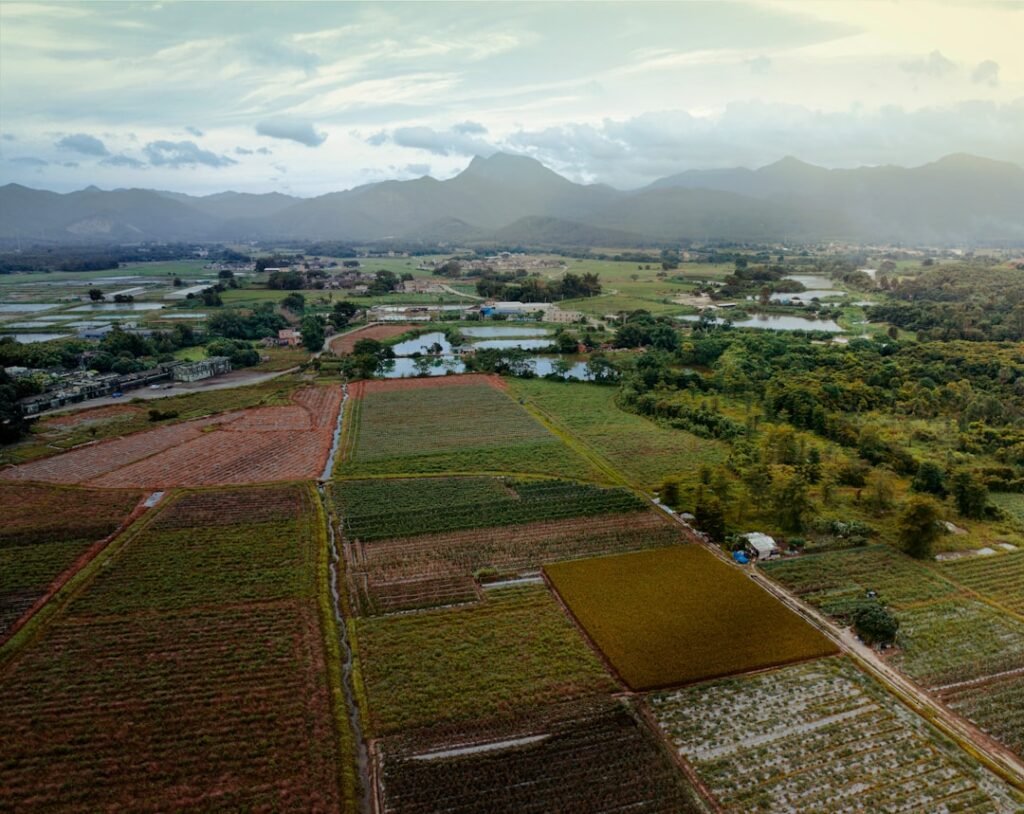
Operationally, a managed farm works like a “land ownership + farm operations” partnership: you purchase the plot, and the operator executes a defined scope of farming and upkeep through an on-ground team and documented processes. The result is that your land doesn’t sit idle, and you don’t need to become a weekend supervisor to protect your investment.
Step 1: Consultation and land selection
The journey typically starts with aligning on your intent: weekend family retreat, organic kitchen garden, orchard-style planting, or long-term holding. At SanjeevaniFarms, our process begins with consultation and land selection so you can choose a plot that fits your access preferences, vision, and comfort level with ongoing farming activity.
Step 2: Farm plan and crop strategy
Once the land is chosen, the operator creates a farm management plan that covers crop choices, soil care, irrigation approach, seasonal activities, and basic maintenance routines. SanjeevaniFarms describes this as a customized plan designed to use the land efficiently and sustainably, rather than leaving owners to figure out vendors and agronomy on their own.
Step 3: Day-to-day farm execution
This is the “invisible labor” most first-time landowners underestimate. A managed model typically includes coordination of farm workers, scheduling farm tasks, monitoring crop health, and handling routine farm work such as planting and harvesting. SanjeevaniFarms states that experienced agronomists and farm managers oversee day-to-day operations so the farm remains productive.
Step 4: Reporting, updates, and owner visibility
If you can’t visit weekly, your “trust system” has to be built into the model. That means regular updates, photos/videos, and activity reports that show what was done, what is planned next, and what risks (weather, pests, water constraints) the team is responding to. SanjeevaniFarms emphasizes regular updates and transparent reporting to keep owners informed about farm activities and performance.
Step 5: Community events and workshops (optional but valuable)
Many urban owners want to learn, participate, and build a rhythm with the land without becoming full-time farmers. SanjeevaniFarms highlights community events and workshops as a way for landowners to learn sustainable practices, connect with others, and participate in farm activities when they visit.
If you’re evaluating managed farmland and you feel unsure about what “managed” actually means in practice, our team at SanjeevaniFarms can help you map the operational responsibilities clearly before you commit.
What’s Included: Farm Management Services Breakdown
What’s included varies by operator, so skepticism is healthy. The right way to evaluate a managed farm is to ask for a written scope: what exactly is handled on-ground, what is reported to you, what is excluded, and what depends on usage. Below is a practical breakdown you can use as a checklist when comparing managed farmland offerings.
| Service area | What it typically covers in a managed farm model | How to verify accountability |
|---|---|---|
| Farm planning | Farm management plan covering crops, seasonal tasks, soil approach, and irrigation routines | Ask for a written plan and a seasonal calendar; confirm who approves changes |
| On-ground execution | Supervision of day-to-day operations such as planting, routine upkeep, and harvest activities | Confirm who the on-ground manager is, how often they are present, and what is documented |
| Soil and crop health monitoring | Ongoing crop health checks and corrective actions when issues arise | Ask what gets tracked (photos, notes, logs) and how exceptions are escalated |
| Updates and reporting | Periodic status updates with activity notes and visual evidence (photos/videos) | Ask the frequency, format, and whether updates are plot-specific or generic |
| Maintenance and housekeeping | Basic upkeep needed to keep the farm usable and presentable | Ask what is included versus chargeable; request service-level expectations |
| Workshops and community activities | Learning sessions and community events for owners who want to participate | Ask for a calendar and attendance process; confirm if it is included or paid |
| Legal and documentation support | Guidance and process support for registration and basic documentation flow | Ask what documents you can review, and whether independent legal review is encouraged |
| Management fees | Operator charges for ongoing management and operations | Insist on a written fee schedule; if fees are not disclosed upfront, treat it as a red flag |
On fees: management charges differ by project and scope, and they can change based on what you ask the team to do (for example, additional landscaping, special crop choices, or hospitality-style upkeep). We recommend you request a written breakup for your exact plot and intended use so you can compare apples to apples and avoid surprises later.
Managed Farms vs Traditional Farming vs DIY Farmland Ownership
The difference is not just “who works on the farm,” but how responsibility, time, and risk are distributed. Traditional farming is a livelihood operation run by a farmer or farm family. DIY farmland ownership is when you buy land but you personally coordinate everything. Managed farms sit between these: you own the land, while professional managers execute the operations and keep you informed.
Traditional farming
In traditional farming, the owner-operator (or tenant farmer) is present, decisions are made daily, and income depends heavily on seasons and market conditions. It can be deeply rewarding, but it’s also time-intensive and operationally complex. If your goal is to become hands-on, this can be the most “authentic” route, but it is not passive.
DIY farmland ownership (buy land and manage it yourself)
DIY ownership appeals to people who want maximum control and potentially lower recurring service costs. The trade-off is that you become the project manager: hiring labor, arranging inputs, watching for disputes, managing water, and following up on every task. Many Bangalore professionals underestimate how quickly DIY becomes a second job, especially when you can’t visit frequently.
Managed farm ownership
Managed farms are designed for owners whose primary constraint is time. You still need to do due diligence, understand legal documentation, and set expectations on what “managed” includes. But you offload operational execution to a team that does this repeatedly across many plots, and you rely on reporting systems to stay in control remotely.
One more transparency point: managed farmland should not be evaluated like a fixed-deposit product. Agriculture depends on weather, input costs, and market demand, so any pitch that promises guaranteed returns should trigger deeper questioning and written clarification.
Real Stories: Bangalore Professionals Who Became Weekend Farmers
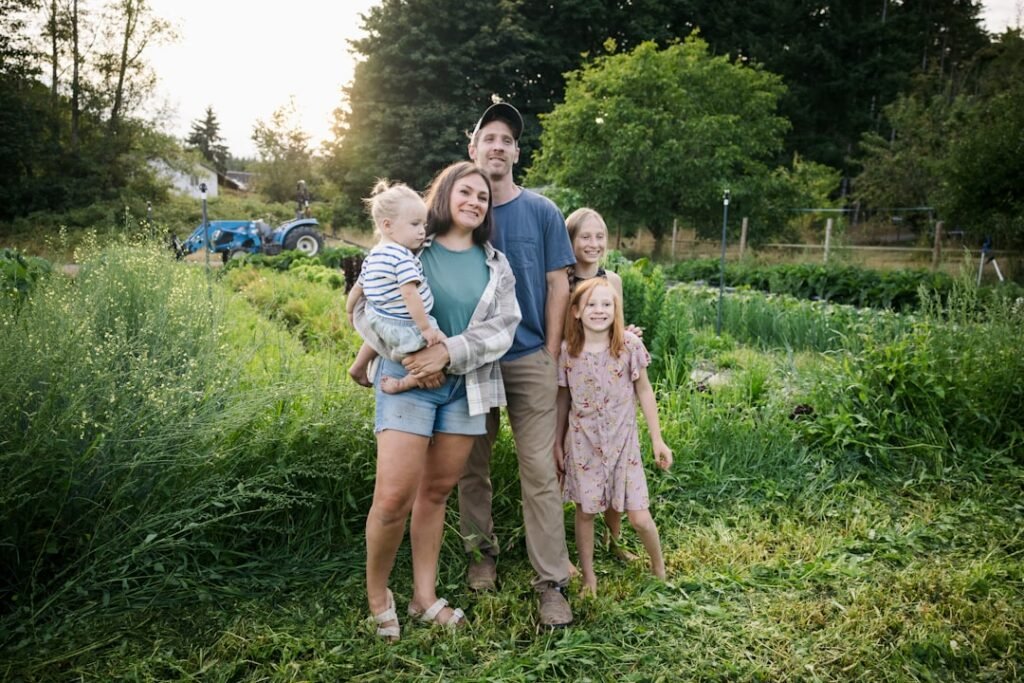
Real-life outcomes matter more than brochures. While every landowner’s goals differ, the most common “success” we hear from Bangalore professionals is surprisingly human: they sleep better, they bring families together outdoors, and they stop feeling guilty about never having time for nature. The managed model works when it gives you that experience without turning every weekend into a maintenance checklist.
Story 1: From concrete routine to a calmer weekend rhythm
One owner described managed farmland as rejuvenating, especially as a break from the concrete jungle. They shared that simple moments like watching the sunset and stargazing became part of their routine, and that fresh farm produce felt like an added bonus to the family’s diet. For many professionals, that lifestyle shift is the real return that makes ownership “stick.”
Story 2: A family’s “reset button” that doesn’t require constant supervision
Another pattern we see is families who want a second home feeling without the burden of managing vendors every week. They visit when they can, participate in farm activities when they want to, and still feel confident that the land is being cared for in the background through structured operations and updates.
To be clear, your experience will depend on the operator’s execution quality. That’s why we encourage you to ask direct questions about the on-ground team, reporting frequency, and how issues are handled when things don’t go to plan.
How Accountability Works: Monitoring Your Farm from Your Laptop
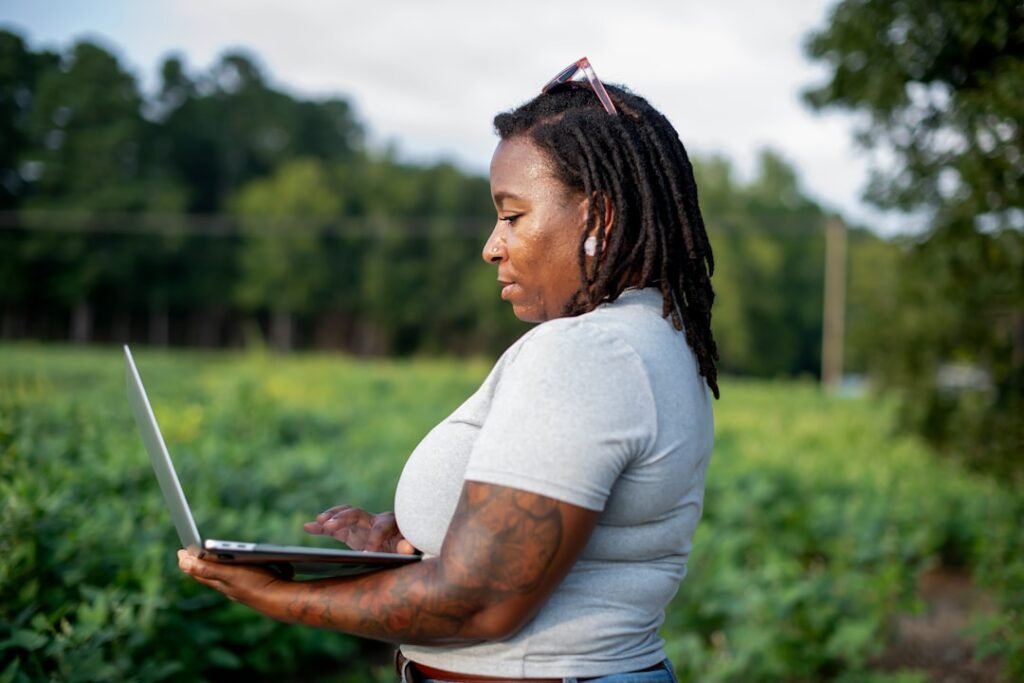
Accountability in managed farmland is not a feeling; it’s a system. If you can’t visit weekly, you need clear reporting, a defined escalation path, and evidence that work is happening on your specific plot. SanjeevaniFarms positions transparency as a core part of the model through regular updates and detailed reports so landowners are informed about activities and performance.
What you should expect in a healthy accountability system
Ask for plot-level updates, not generic “farm community” posts. Confirm how often you’ll receive photos or videos, who sends them, and what happens when there’s a deviation (for example, delayed planting due to weather or water constraints). Also clarify who approves significant changes, such as switching crops or major pruning.
How skepticism protects you (and what to verify)
Healthy skepticism is part of smart ownership. Common red flags include unclear land classification, vague “guaranteed returns,” missing documentation, or non-specific answers about who manages daily work. If you’re investing, prioritize legal clarity, independent due diligence, and written scope of services. SanjeevaniFarms also publishes practical guidance on risks such as legal title issues, land misrepresentation, management quality, and liquidity considerations to help buyers evaluate responsibly.
If you want a transparent checklist conversation instead of sales pressure, our team at SanjeevaniFarms can walk you through what to verify and what questions to insist on before you buy.
Sustainability & Organic Practices in Managed Farm Models

Sustainability is not a slogan in managed farmland; it’s what protects long-term soil health and keeps the land enjoyable for the next decade. Managed farm models often work best when they focus on steady, soil-first practices rather than short-term extraction. At SanjeevaniFarms, our approach emphasizes long-term sustainability and a holistic management plan that prioritizes the health of the land and the people working on it.
What “organic” should mean in practice
If you are buying with an organic-living mindset, ask for clarity: which inputs are used, how pest pressure is handled, and how soil fertility is maintained over seasons. “Organic” can mean different things in different farms, so request specifics and written practices rather than relying on a label.
Why sustainability matters even for lifestyle buyers
Even if your primary goal is a peaceful weekend retreat, sustainability affects your experience. Healthy soil supports greener landscapes, more resilient planting, and fewer emergencies. It also reduces the chance that your farm becomes a neglected plot that needs expensive corrective work later.
Is a Managed Farm Right for You? Decision Framework
A managed farm is right for you when you want land ownership and nature access, but you don’t want a second job. It is especially suitable if your work schedule is unpredictable, you travel often, or you live far enough from the property that weekly supervision is unrealistic. The key is choosing the model for the right reasons and verifying the operator’s execution quality.
A quick self-check before you invest
If you want maximum control and you can spend consistent time on-ground, DIY ownership may fit. If you want a farm to run like an operation with reporting and defined responsibilities, a managed model is more appropriate. And if your goal is purely high-liquidity returns, farmland (managed or not) may not match your expectations due to the realities of resale timing and buyer demand.
Before you choose any project, insist on clarity around legal documentation, land classification, what is included in management, what costs extra, and how disputes or operational gaps are handled. That is the difference between a peaceful weekend property and a long-distance headache.
Schedule a Free Farm Visit This Weekend
If you’ve been craving a real break from Bangalore traffic and screen fatigue, the best way to understand managed farmland is to experience it on-ground. Contact SanjeevaniFarms to schedule a free farm visit this weekend, with no obligation, just a clear walk-through of the land, the management model, and the documentation you should review before buying.
When you’re ready, contact SanjeevaniFarms today to schedule a consultation and get a transparent, written explanation of services, fees, and accountability systems for your shortlisted plot.
Frequently Asked Questions
What is a managed farm in simple terms?
A managed farm is agricultural land you own, while a professional team handles day-to-day farming and upkeep. You get the benefits of land ownership without personally managing labor, irrigation, and crop operations.
How do I monitor my farm if I can’t visit every week?
You should expect regular, plot-specific updates such as photos, videos, and activity reports, along with a clear point of contact for escalation when there are delays or issues. Always confirm the reporting frequency and format in writing.
What services are usually included in managed farmland?
Typically it includes farm planning, on-ground execution, basic maintenance, and periodic reporting. Some projects also offer workshops or community events. Ask for a written scope so you know what is included versus chargeable extras.
Are managed farms guaranteed to generate income?
No. Agriculture outcomes depend on climate, crop cycles, input costs, and market demand. Be cautious of anyone promising guaranteed returns and insist on realistic expectations and written clarity.
Is managed farmland better than buying land and managing it myself?
It depends on your time and intent. DIY offers more control but requires constant coordination and supervision. Managed farmland is better if you want land ownership and a weekend retreat without turning it into a second job.